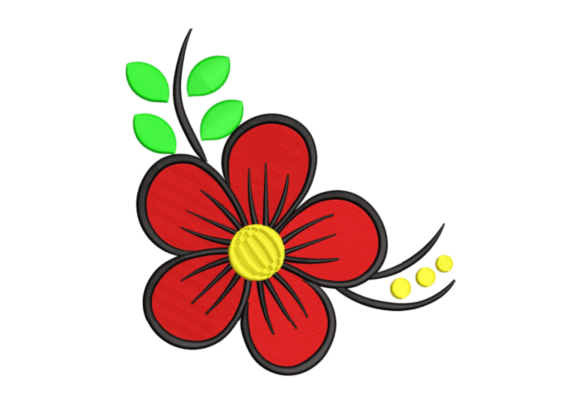
A Floral Embroidery Symphony
First Impressions: A Delicate, Confident Bloom
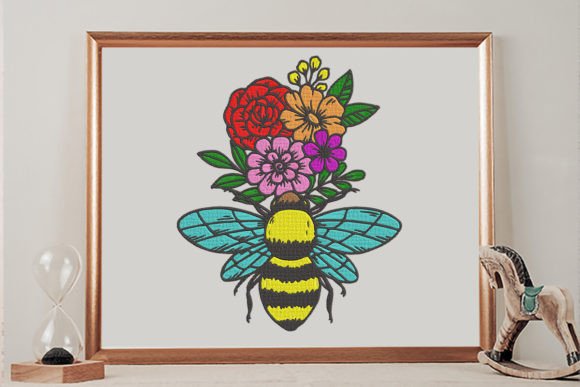
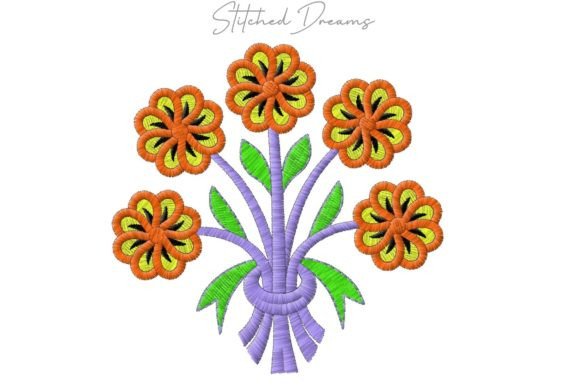
When I opened A Floral Embroidery Symphony, the first thing that struck me wasn’t just prettiness—it was presence. This isn’t a timid single-flower motif; it’s a composed, balanced statement with quiet confidence. The “Blossoming Elegance” motif feels like a hand-drawn sketch translated into thread: soft curves, intentional negative space, and petals that taper with gentle precision. It leans into the Single Flowers category without feeling sparse or minimal—there’s enough visual weight to hold attention on a tote bag or pillow cover, but not so much density that it overwhelms delicate fabrics.
Real-World Test: Stitching It onto a Linen Tea Towel
Last week, I used A Floral Embroidery Symphony for a small-batch kitchen towel line—linen blend, medium-weight, light oat color. I chose a subtle ecru thread, added medium tear-away stabilizer, and stitched at 7.5” hoop size. What emerged wasn’t just embroidered fabric—it was a tactile moment. The satin stitch on the central petal held crisp definition, while the fill stitch in the calyx gave grounded warmth. Customers noticed it immediately: “It looks handmade, but polished,” one wrote. That’s the sweet spot—A Floral Embroidery Symphony reads as both artisanal and intentional.
Where It Shines (and Where It Asks for Care)
This machine embroidery design excels in contexts where elegance meets everyday use:
- Custom apparel: Works beautifully on crewneck sweatshirts (left chest), lightweight denim jackets (back yoke), and cotton poplin shirts (cuff or pocket).
- Baby and nursery items: Soft on organic cotton onesies and muslin swaddles—just reduce size slightly and confirm stitch density doesn’t overwhelm the weave.
- Patches and accessories: Ideal for iron-on or sew-on embroidered patches on aprons, caps, or backpacks. The clean outer shape makes cutting and finishing tidy.
- Holiday and gifting: Stitches cleanly on velvet ribbon for ornaments or on linen sachets—adds quiet luxury without glitter or fuss.
But it’s not universally forgiving. Avoid using A Floral Embroidery Symphony on:
- Highly textured fabrics (like bouclé or heavy terry) without extra stabilizing—fine petal edges can blur.
- Thin, slippery synthetics (e.g., polyester satin) unless you’ve tested stabilizer pairing thoroughly.
- Curved surfaces like structured baseball caps—some inner petal detail may compress or distort without digitizing tweaks.
- Dark fabrics with light thread unless you’ve verified contrast in a printed mockup first. The design relies on tonal nuance, not bold outlines.
Design Integrity Meets Commercial Realities
As an Etsy seller and small shop product developer, I judge designs not just by beauty—but by how they perform in the full lifecycle: from digital file to finished product to customer unboxing. A Floral Embroidery Symphony strengthens brand consistency because its voice is clear and repeatable—no stylistic drift between sizes or formats. It elevates perceived value on a $28 tea towel or $42 baby blanket without demanding premium pricing. And crucially, it builds trust: buyers recognize care in the spacing between stamens, the smoothness of the satin stitch transitions, the absence of stray jump stitches.
For craft fairs or boutique wholesale, this embroidery file supports storytelling—“Each bloom is stitched slow, like a garden tended.” That resonance matters more than trend-chasing.
Practical Designer Notes Before You Stitch
Before committing to your first run—or listing it as a digital product—here’s what I do every time with A Floral Embroidery Symphony:
- Test on scrap fabric that matches your final substrate—not just cotton, but the exact weight, weave, and stretch.
- Check thread color contrast across three backgrounds: light, mid-tone, and dark. Print a black-and-white mockup to assess value separation.
- Review stitch density visually in your embroidery software—look for tight clusters near petal tips or the center. Overly dense areas risk puckering on lightweight materials.
- Confirm hoop size compatibility with your machine and project type. If stitching on a curved surface, consider re-hooping strategy or minor digitizing edits.
- Inspect small details at 200% zoom: are the stamen lines legible? Does the outer petal edge stay clean at reduced scale?
- Use proper stabilizer—medium cutaway for knits, tear-away for stable wovens, and optional topping for napped fabrics like fleece.
- Verify licensing before selling finished items or bundling the digital embroidery file—especially if marketing to other makers or offering commercial-use rights.
Why It Fits Your Craft Business—Not Just Your Sewing Machine
This isn’t just another embroidery design. It’s a versatile, mood-setting asset. As a creative entrepreneur, I reuse A Floral Embroidery Symphony across multiple offerings: as a standalone patch for my craft supply kits, as a subtle corner motif on printable mockups for my digital product listings, and as the hero element on limited-run holiday aprons. Its restrained scale means it scales gracefully—from 2.5” on a baby bib to 5.25” on a pillow cover—without losing character.
For apparel decorators, it’s a low-risk, high-return addition to your custom apparel menu—clients love floral motifs but often reject cliché. For Etsy sellers, it’s a strong thumbnail candidate: soft but distinct, elegant but approachable. And for anyone building a cohesive handmade brand, it offers continuity without repetition—like a signature phrase you return to, each time with fresh inflection.
In short: A Floral Embroidery Symphony earns its place—not because it shouts, but because it listens. To fabric. To thread. To the person holding the finished piece. That’s the kind of embroidery project that turns a transaction into a keepsake.