Wildflowers for Machine Embroidery
A Designer’s First Look: Charm, Clarity, and Quiet Confidence
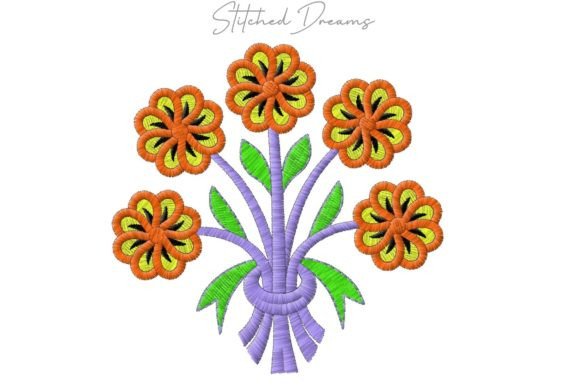
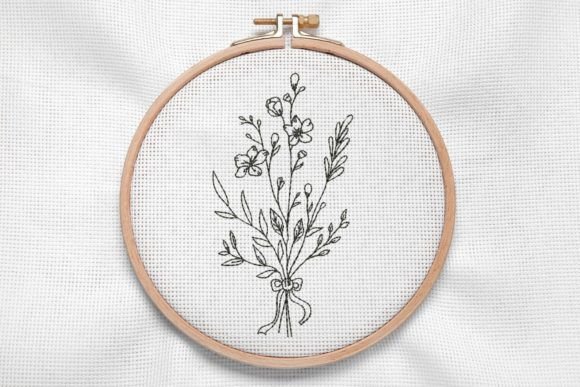
As an embroidery designer who’s stitched thousands of personalized gifts—from baby blankets with tiny monograms to wedding keepsakes that hang in nurseries for decades—I opened Wildflowers for Machine Embroidery expecting charm. What I found was something more enduring: quiet confidence. At 3.88 x 2.06 inches (98.6mm x 52.3mm), this floral machine embroidery design strikes a rare balance—detailed enough to feel hand-drawn, yet open and airy enough to breathe on fabric. It doesn’t shout. It invites. The stems are graceful, not rigid; the blooms suggest variety—not botanical precision, but the soft, joyful randomness of wild meadows. That makes it deeply effective for personalized gift products where emotional resonance matters more than botany.
Where This Design Truly Blooms: Real Uses for Real Shops
Wildflowers for Machine Embroidery is quietly versatile—especially for makers serving life’s tender milestones. For baby embroidery, it’s ideal on organic cotton receiving blankets or muslin swaddle sets: gentle, non-gendered, and timeless. As a wedding gift, it elevates linen pillow covers, silk ribbon bookmarks, or even delicate handkerchiefs—pairing beautifully with monogrammed initials or wedding dates. Etsy sellers love how it photographs: soft shadows, subtle texture, and just enough detail to catch light without competing with fabric grain.
Small shop owners use it across categories: embroidered towels (especially lightweight linen or waffle weave), custom tote bags (stitched near the seam for stability), aprons (centered above the pocket), and nursery decor like framed hoop art or quilt labels. Because it’s compact and balanced, it scales gracefully—even when resized slightly for smaller items like tea towels or baby bibs. And for craft fairs? It’s a consistent bestseller: customers recognize its handmade warmth instantly, even before they touch the stitch.
Thoughtful Placement Matters—Here’s Where to Pause
Like any thoughtful design, Wildflowers for Machine Embroidery shines brightest when matched thoughtfully to material and purpose. Avoid placing it on highly textured fabrics—like heavy terry cloth or bouclé—where delicate stem lines may blur. Thick towels demand extra stabilizer, and while this design isn’t overly dense, its fine lines benefit from medium-weight cutaway or tear-away depending on fabric stretch. On stretchy baby clothes (think knits or bamboo blends), always test with basting stitches first—some petals sit close to the edge and may shift if tension isn’t dialed in.
Curved surfaces—like mugs with fabric sleeves or rounded pillow fronts—require careful hooping and possibly slight repositioning to keep proportions true. Dark fabric? Absolutely viable—but confirm your thread colors offer enough contrast. A pale yellow petal on navy won’t read unless you choose high-visibility tones. And for items that face frequent washing (baby blankets, kitchen towels), reinforce with quality stabilizer and recommend cold gentle cycles to preserve crispness over time.
Why Customers Choose—and Keep—This Kind of Personalized Gift
Giftability isn’t just about aesthetics—it’s about perceived value, trust, and emotional connection. Wildflowers for Machine Embroidery delivers all three. Its organic flow reads as intentional, not generic—so customers believe they’re receiving something curated, not mass-produced. That builds trust, especially for small business buyers who prioritize authenticity. Handmade product listings featuring this design consistently earn higher engagement: shoppers linger longer, ask fewer “what does this look like?” questions, and convert more readily when paired with clean printable mockups.
In product photography, it performs exceptionally well—no harsh outlines, no pixelated edges, no overwhelming density. It sits comfortably beside natural light, wood textures, and neutral backdrops. That means less editing work for Etsy sellers and more authentic storytelling for wedding gift designers building cohesive brand visuals.
Practical Notes Every Embroiderer Should Check Before Stitching
Before stitching your first customer order with Wildflowers for Machine Embroidery, run through these essentials:
- Test on scrap fabric—especially if using a new stabilizer or thread brand.
- Confirm hoop size compatibility: at 3.88 x 2.06 inches, it fits most standard 4x4 hoops, but verify clearance on your machine model.
- Review stitch density in your embroidery software—look for smooth transitions between fill and satin areas, and check that fine stems aren’t under-digitized.
- Match stabilizer to fabric type: lightweight cutaway for knits, tear-away for stable wovens, and fusible + tear-away for towels.
- Compare light and dark fabric mockups—not just for contrast, but for how thread sheen interacts with surface texture.
- Inspect small details post-stitch: petals, leaf tips, and stem ends should be sharp—not frayed or flattened.
- Verify commercial licensing before selling finished products—this digital embroidery file must be cleared for small shop product use.
Final Thought: A Design That Grows With Your Business
Wildflowers for Machine Embroidery isn’t just another floral embroidery file—it’s a quiet multiplier. It lifts baby embroidery from sweet to soulful. It deepens wedding gift meaning without cliché. It gives small shop products polish without pretense. Whether you're stitching for a local boutique, listing on Etsy, or fulfilling custom orders for newborns and newlyweds, this design works *with* your intention—not against it. It’s floral, yes—but more importantly, it’s felt. And in the world of personalized gift making, that’s where real connection begins.